Rust Rot and Salt Air: The Reality of Maintaining a Beachside Property
The reality of owning a beachside home requires a lot more upkeep than you would think. How does salt air affect coastal properties over time? The constant exposure to salt spray, high humidity and coastal winds speeds up the degradation of building materials, leading to serious structural issues like rust rot, timber decay and concrete cancer.
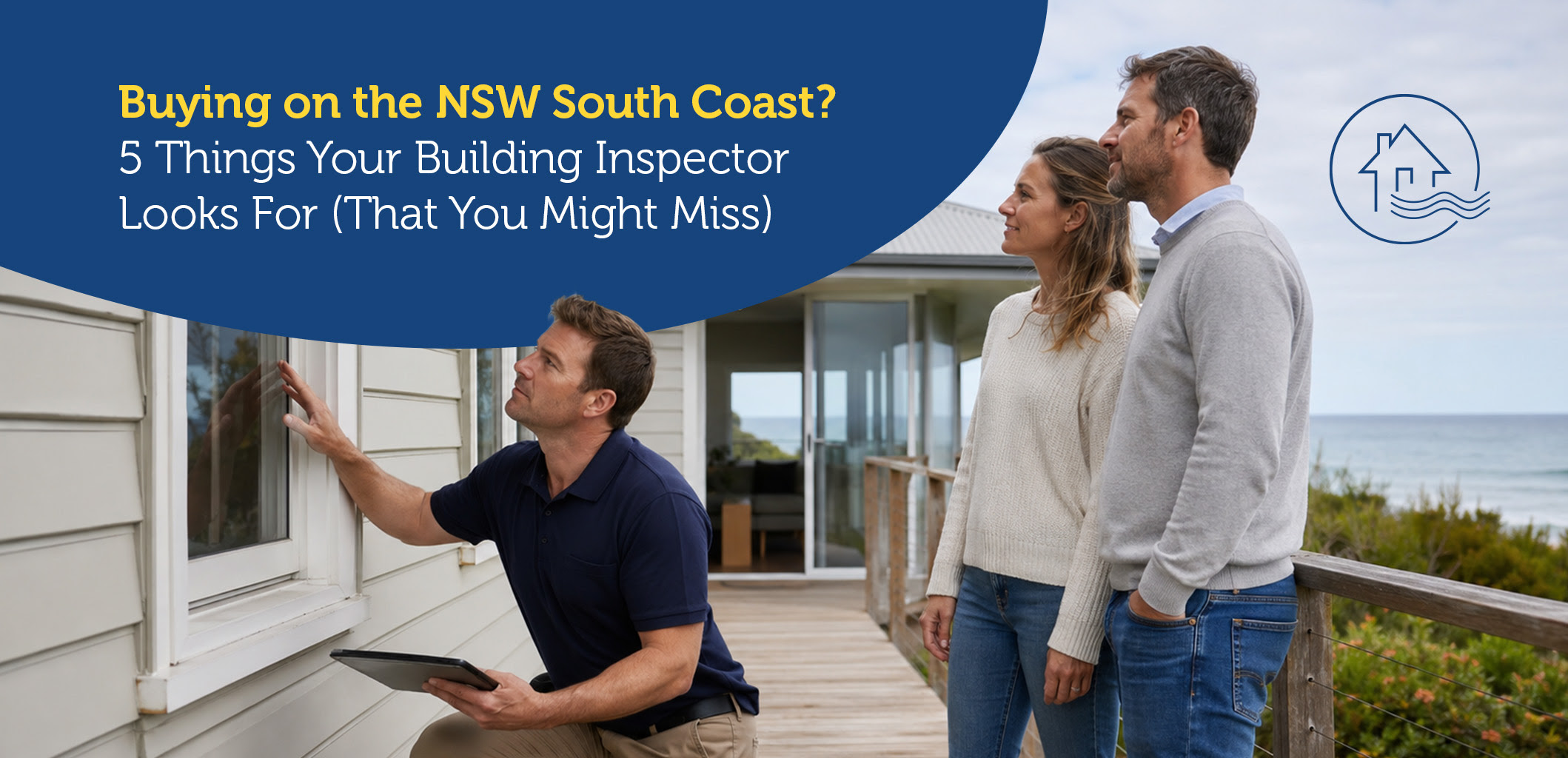
Knowing how these unique environmental threats pose a risk to your beachside property is essential in protecting your significant financial investment. Having a professional carry out a building inspection is extremely helpful for this reason, so you can know what condition the property really is in, not just a surface level.
If you are a property owner or a prospective buyer from Batemans Bay to Mollymook, managing the fierce effects of the ocean elements is an ongoing commitment. This article will provide you with what you need to know before buying up beach-side.
The Stealthy Threat of Rust Rot and Salt Air
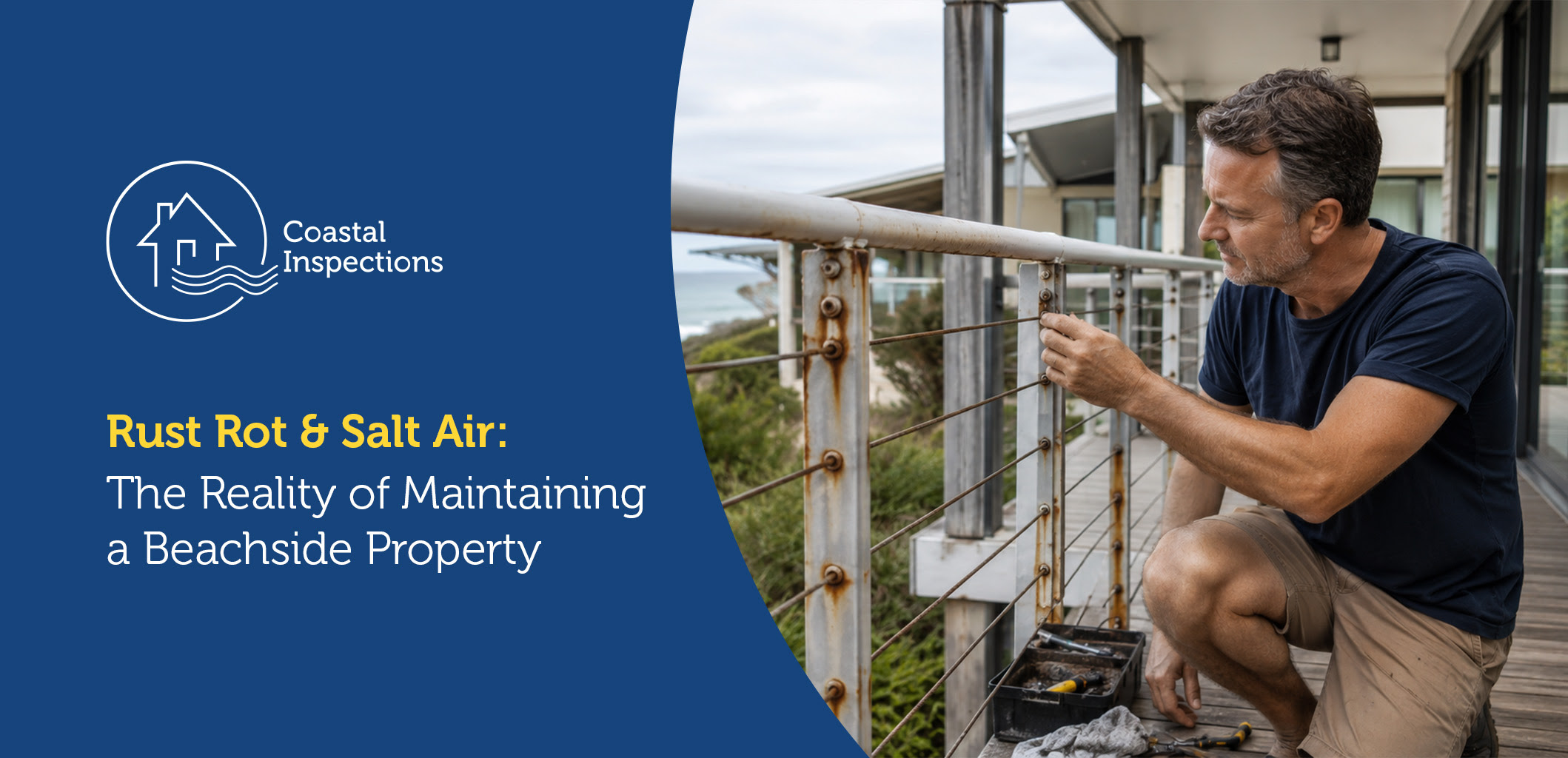
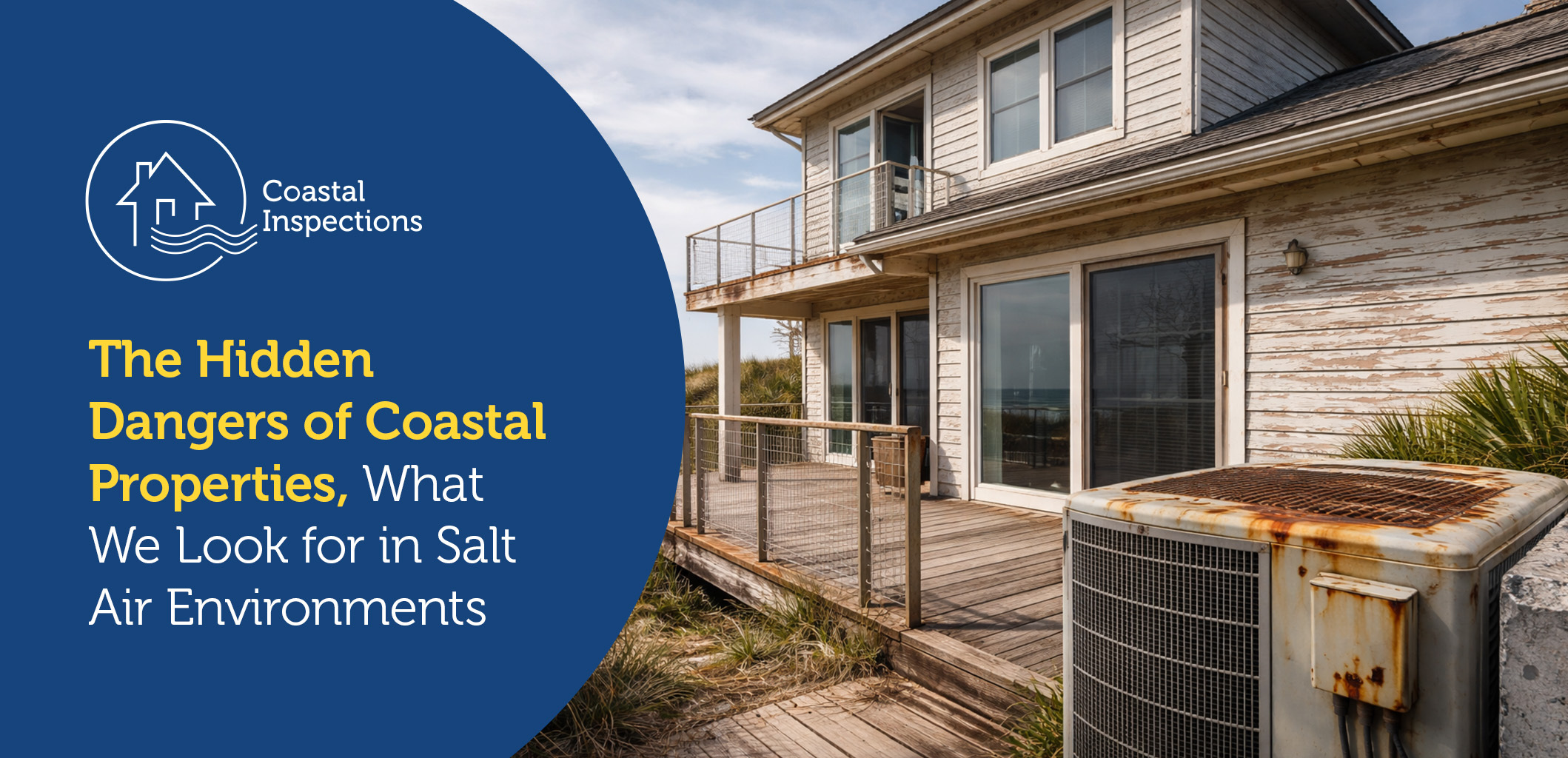
When we talk about the reality of maintaining a beachside property, the primary antagonist is almost always the coastal atmosphere. Salt air carries microscopic airborne salt particles miles inland. When these saline droplets settle on metal surfaces, they trigger a chemical reaction that accelerates oxidation.
Unlike inland homes where standard steel might last for decades without a hitch, coastal properties require specialised, marine grade materials. When non galvanised metals or standard steel fixtures are exposed to salt air, they quickly succumb to rust rot. This is not just an aesthetic issue. Left unchecked, rust rot eating away at structural steel beams, roof tie downs or lintels can completely compromise the structural integrity of a building.
Understanding Timber Decay and Concrete Cancer
It is not just metal that suffers in our beautiful coastal environments. The high humidity and moisture levels inherent to beachside living create the perfect breeding ground for timber decay. Timber elements like external decking, window frames and structural supports are highly susceptible to wood rot if they are not regularly sealed and maintained. Furthermore, the persistent moisture can draw timber pests, making regular timber pest inspections an essential part of property upkeep.
Another catastrophic consequence of salt air exposure is concrete cancer, technically known as concrete spalling. This occurs when salt penetrates porous concrete surfaces and reaches the internal steel reinforcing bars. As the steel rods rust, they expand up to several times their original size. This internal expansion exerts immense pressure on the surrounding concrete, causing it to crack, fracture and break away. Spotting the early signs of concrete cancer, such as fine rust stains on concrete surfaces or bubbling paintwork, can save homeowners tens of thousands of dollars in major structural repairs.
Practical Tips for Maintaining a Beachside Property
Mitigating the effects of salt air requires a proactive approach to property maintenance. If you want to keep your coastal home in peak condition, consider implementing these key strategies:
- Frequent Fresh Water Wash-downs: Routinely wash down the exterior of your home, including windows, cladding, balustrades and external fixtures, with fresh water to remove built up salt residue.
- Material Selection: When renovating or repairing, opt for high quality, corrosion resistant materials such as marine grade 316 stainless steel, powder coated aluminium or treated timber designed for harsh coastal hazards.
- Regular Protective Coatings: Ensure external timber and metal surfaces are regularly painted, sealed or stained with specialised protective coatings to act as a barrier against moisture and salt.
- Prioritise Roof and Gutter Maintenance: Clear gutters regularly to prevent pooling water, which combines with salt particles to create a highly corrosive slurry that eats through metal roofing profiles.
Why Professional Coastal Inspections Are Essential
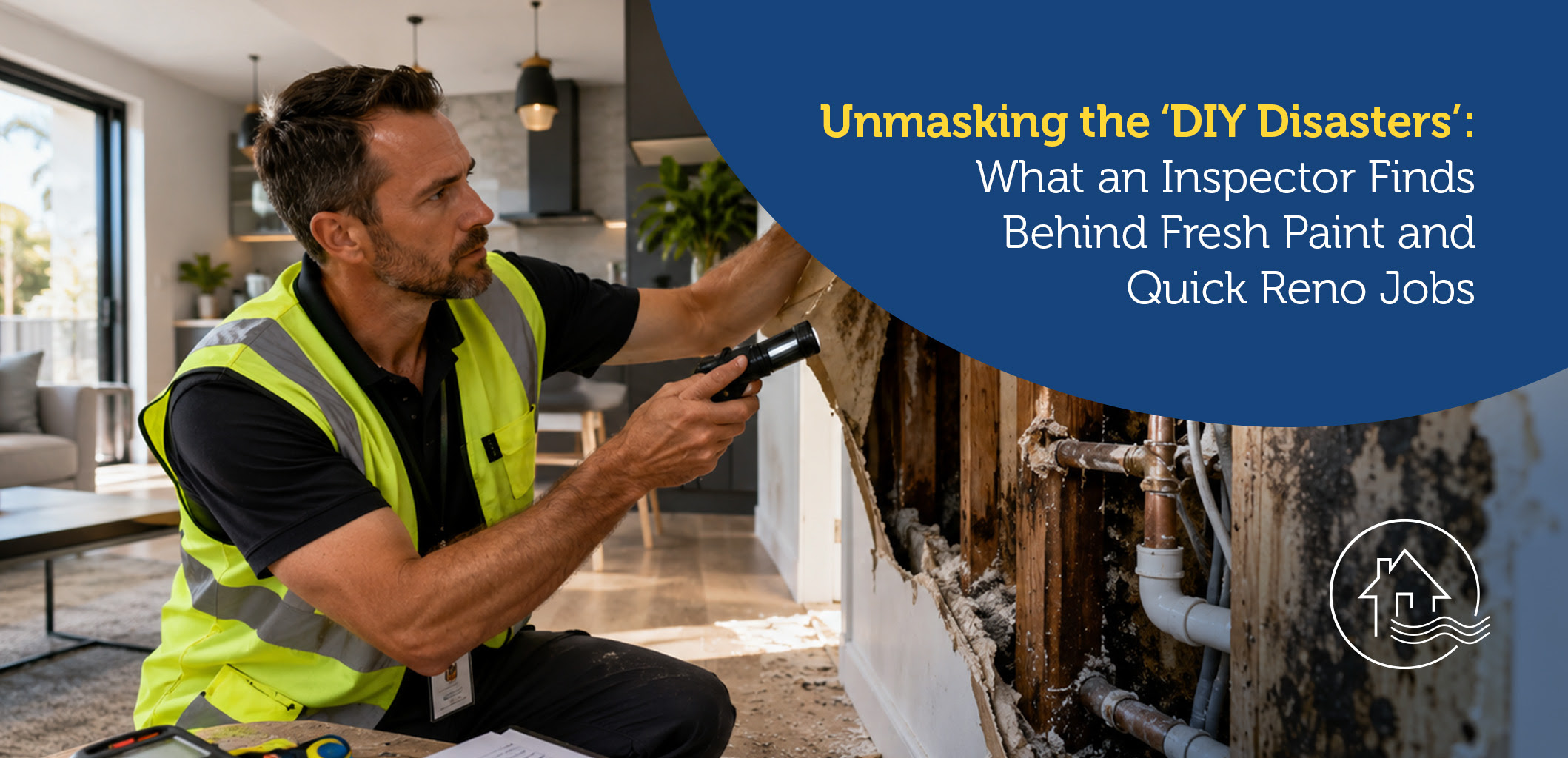
Because the damage caused by salt air often starts in hidden, hard to reach areas like subfloors, roof cavities and wall voids, it can easily go unnoticed by the untrained eye until substantial damage has already occurred. This is why investing in professional coastal inspections is vital for both current homeowners and active buyers looking to enter the coastal market.
A comprehensive building inspection carried out by an experienced professional will thoroughly evaluate the structural health of the property. For buyers, a pre- purchase building inspection is your single best tool to avoid purchasing a hidden money pit plagued by advanced rust rot or concrete spalling. For current owners, a structural check acts as an early warning system, identifying maintenance issues before they spiral into catastrophic failures.
Secure Your Coastal Investment Today
The reality of maintaining a beachside property is that prevention is always far more affordable than structural rectification. Understanding how environmental elements impact your home allows you to take control of its longevity and preserve its market value.
Whether you are looking to purchase a beautiful new beachside retreat or want to ensure your current home is standing up to the harsh environment, the team at Coastal Inspections is here to help. Led by a licensed builder with over 15 years of practical industry experience and more than 5,000 completed inspections across the NSW South Coast, we provide detailed, easy to read digital reports delivered within 24 hours. We treat every property with the care and attention to detail it deserves, helping you make confident, informed decisions.