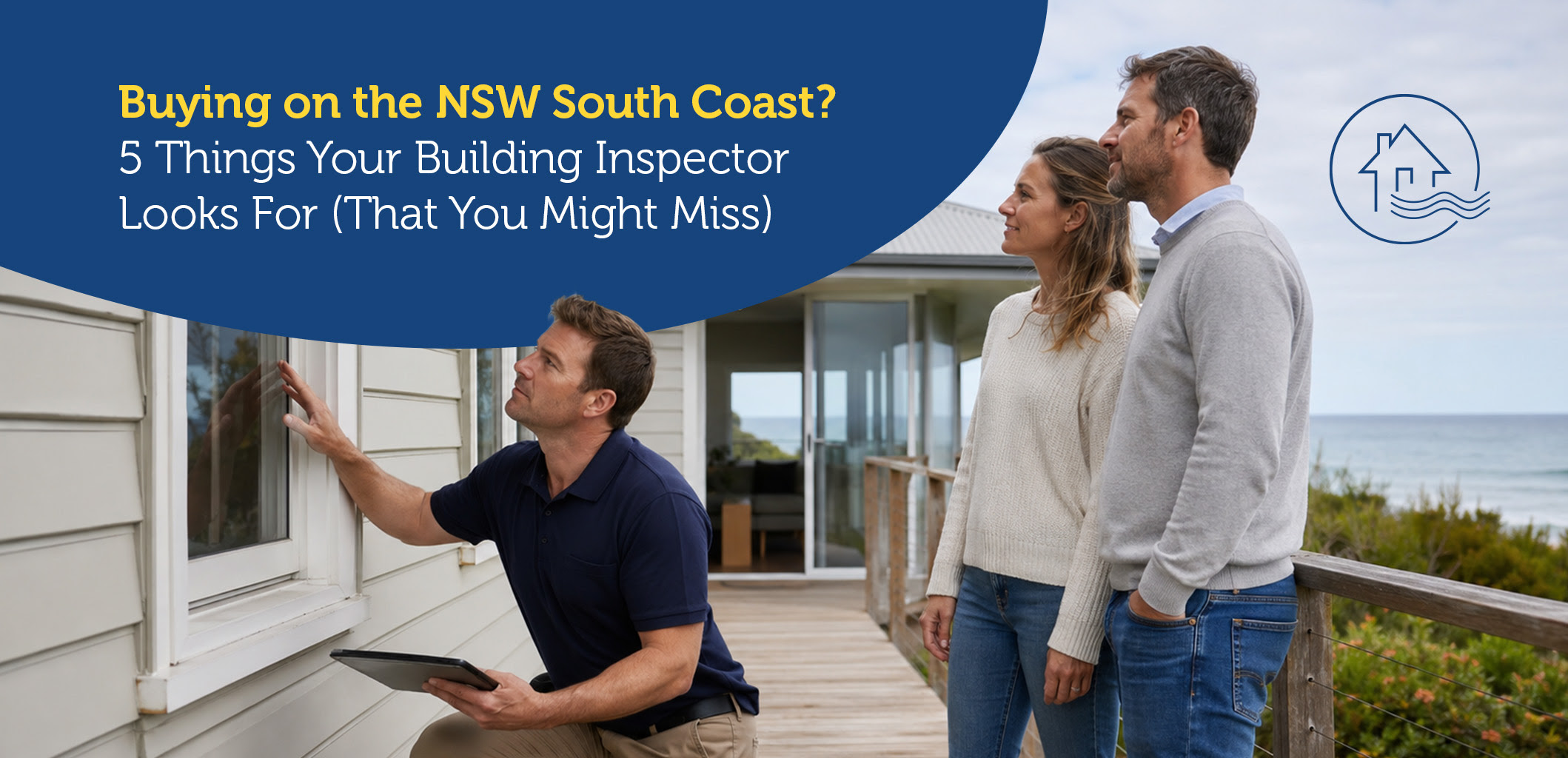
Buying on the NSW South Coast? 5 Things Your Building Inspector Looks For (That You Might Miss)
There’s no denying the excitement that comes with searching for a property along the New South Wales South Coast. Perhaps you have found a classic beach house in Ulladulla, a modern family home in Batemans Bay, or a peaceful retreat nestled near Milton, the region offers an idyllic lifestyle that is unmatched.
During the early stages of house inspections, it is easy to get swept away by the stunning views, the spacious floor plans, and the dream of coastal living. However, viewing the property from a potential buyer’s perspective is wildly different to evaluating on a structural level. You’d be surprised at what a fresh coat of paint, beautiful furniture styling and a pristine garden can mask.
In the unique coastal and rural environments of the South Coast, buildings are subjected to specific environmental pressures. When you book a pre -purchase property inspection, a qualified inspector looks past the cosmetic presentation to assess the actual health of the building.
Here are five critical elements your building inspector looks for that you might completely miss during your walk through.
1. Sheltered Salt Build Up and Flashing Fatigue
Most buyers looking at a coastal home will glance at the roof or the gutters to see if they look rusty. If the metal looks clean, they assume the property is handling the ocean air just fine.
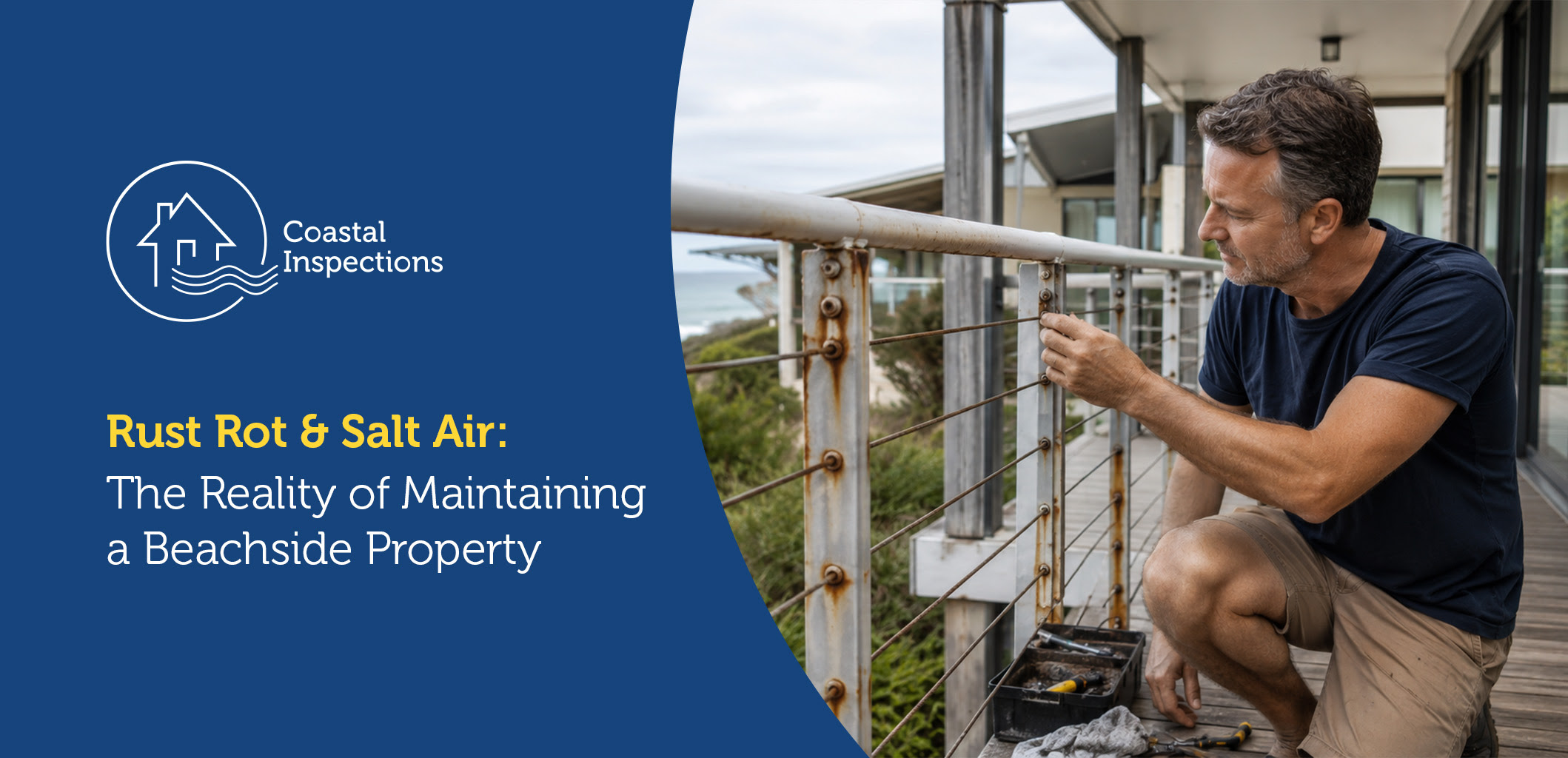
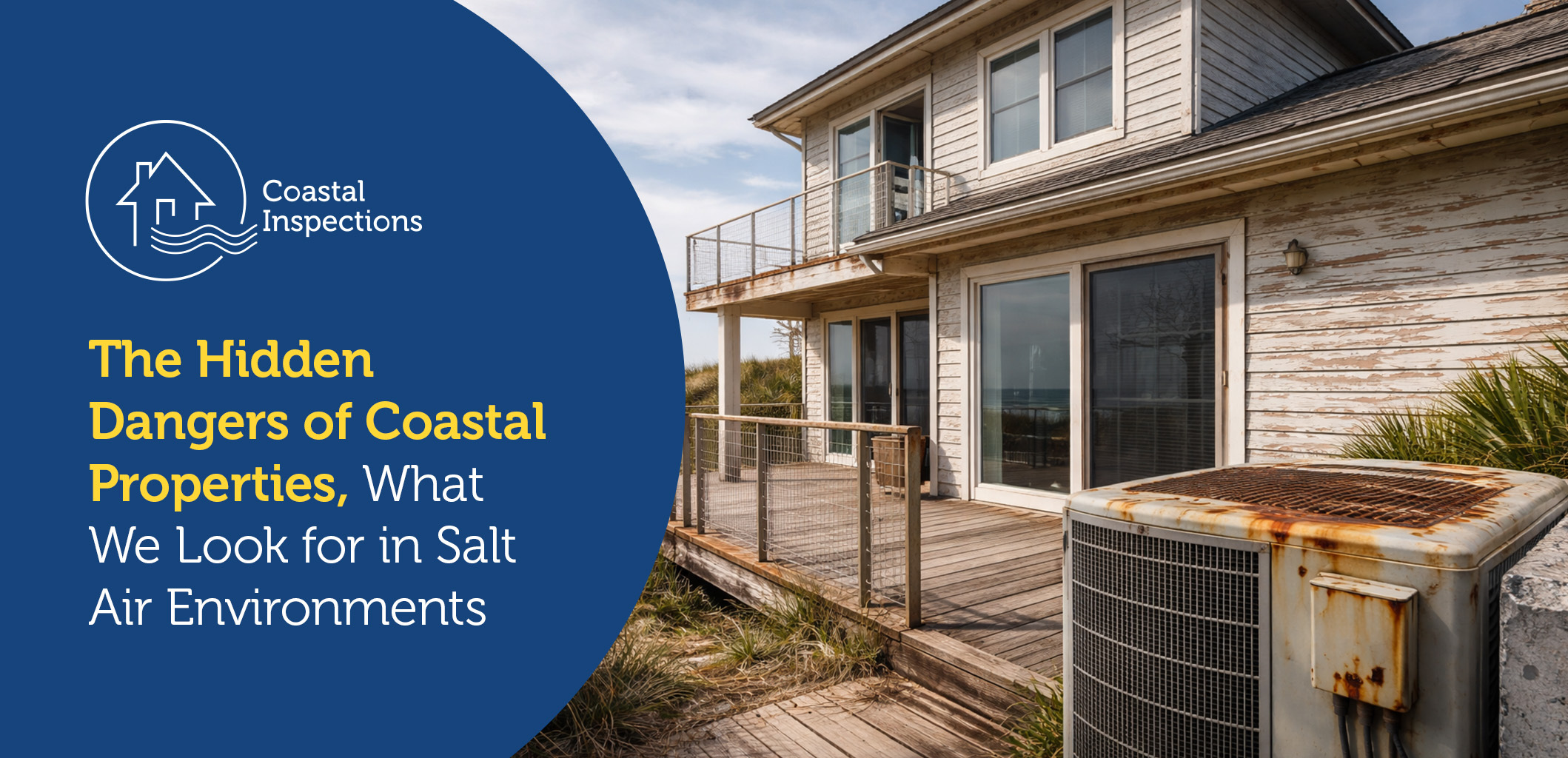
However, a professional building inspector knows that the most severe salt damage usually happens out of sight, specifically in sheltered microclimates. When sea breezes carry fine marine aerosol inland, salt deposits itself on every surface of a home. Rain naturally washes salt off exposed roofs and walls, but areas protected from the rain, such as under the eaves, behind cladding joints, and underneath balconies, never get a freshwater rinse.
Over time, concentrated salt crystals accumulate in these hidden gaps, leading to severe corrosion of structural flashings, valley irons, and roof tie downs. If these internal metal components fail, the roof can lose its resistance to wind uplift or develop major water leaks during a heavy coastal storm. Inspectors know exactly where to look to find this hidden atmospheric wear before it compromises the home.
2. Subfloor Moisture Traps and Ventilation Issues
It is incredibly rare for a buyer at an open home to get down on their hands and knees to peer into the crawl space under a house, let alone venture inside it. Yet, the subfloor is one of the most revealing areas of any South Coast property.
Many homes in the region are built on piers, stumps, or brick foundations with suspended timber floors. Because the South Coast experiences high humidity, heavy seasonal rainfall, and shifting water tables, the space beneath a home can easily become a trap for dampness.
A building inspector will thoroughly evaluate the subfloor ventilation. If air vents are blocked by garden beds, paths, or past renovations, moisture becomes trapped. This damp environment triggers a chain reaction: it causes the timber framing to absorb moisture, creating the perfect conditions for wood decaying fungi to thrive. Furthermore, damp subfloors act as an absolute magnet for termites, which are a widespread threat across the region.
3. Foundation Stability in Complex Coastal Soils
The geography of the South Coast is incredibly diverse, ranging from sandy dunes near the beach to highly reactive clay soils further inland toward the valleys. Each soil type presents unique challenges for a building’s foundations.
While sandy soil provides brilliant drainage, it is highly susceptible to erosion and movement, especially during major East Coast Low weather systems that bring heavy rain and storm surges. Conversely, clay soils expand significantly when wet and contract when dry, putting immense structural pressure on concrete footings and brickwork.
As a buyer, you might notice a small crack in a wall and assume it is just standard settling. A building inspector looks at the broader picture. They assess the pattern of the cracking, the levelness of the floors, the operation of doors and windows, and the integrity of retaining walls on sloping blocks. They can differentiate between minor cosmetic movement and structural subsidence that could cost tens of thousands of dollars to rectify.
4. Hidden Timber Pest Activity and Decay
Termites and wood rot are two of the costliest threats to Australian properties, and they are incredibly adept at staying hidden. Termites build mud tunnels inside wall cavities and eat timber from the inside out, leaving the exterior face of a skirting board or structural beam looking perfectly intact.
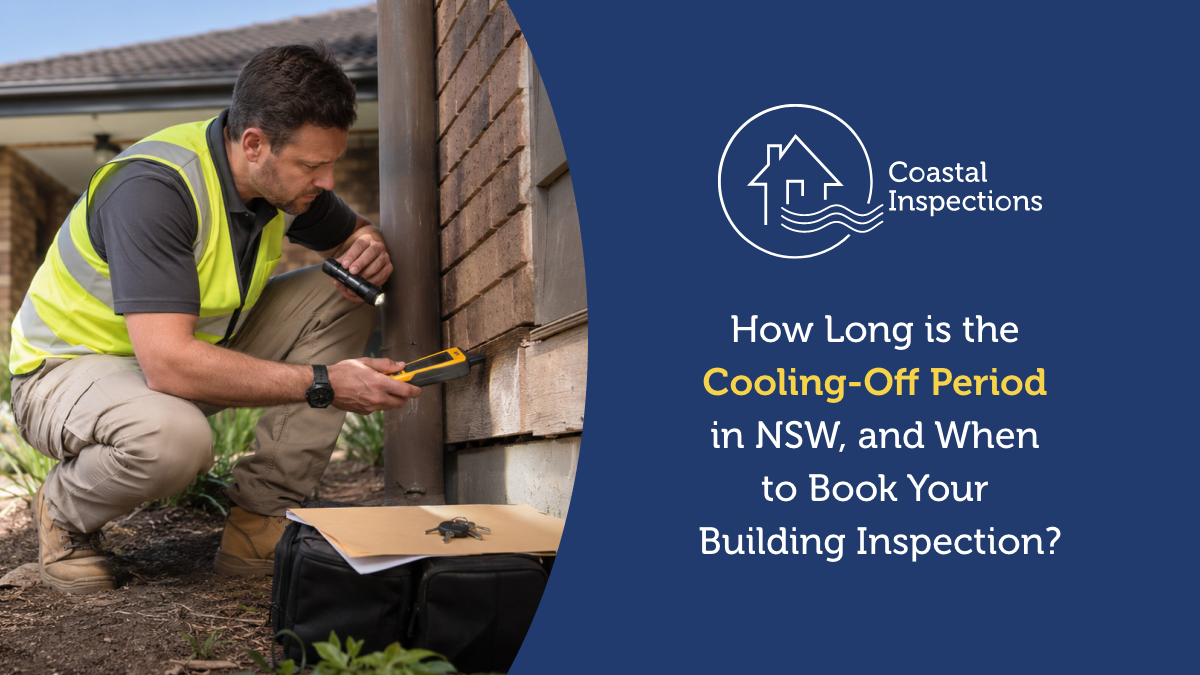
During a combined building and timber pest inspection, specialised tools are used to detect what the human eye cannot see. Inspectors use moisture meters to locate abnormal damp spots inside walls, which often indicate internal leaks or termite nesting sites. They also use thermal imaging cameras and sounding techniques to check the density of structural timbers.
Missing a termite infestation or advanced wood rot in an expansive timber deck can turn your dream coastal purchase into a financial nightmare overnight. Finding these issues early gives you the power to walk away or renegotiate the purchase price.
5. Non Compliant Renovations and Structural Alterations
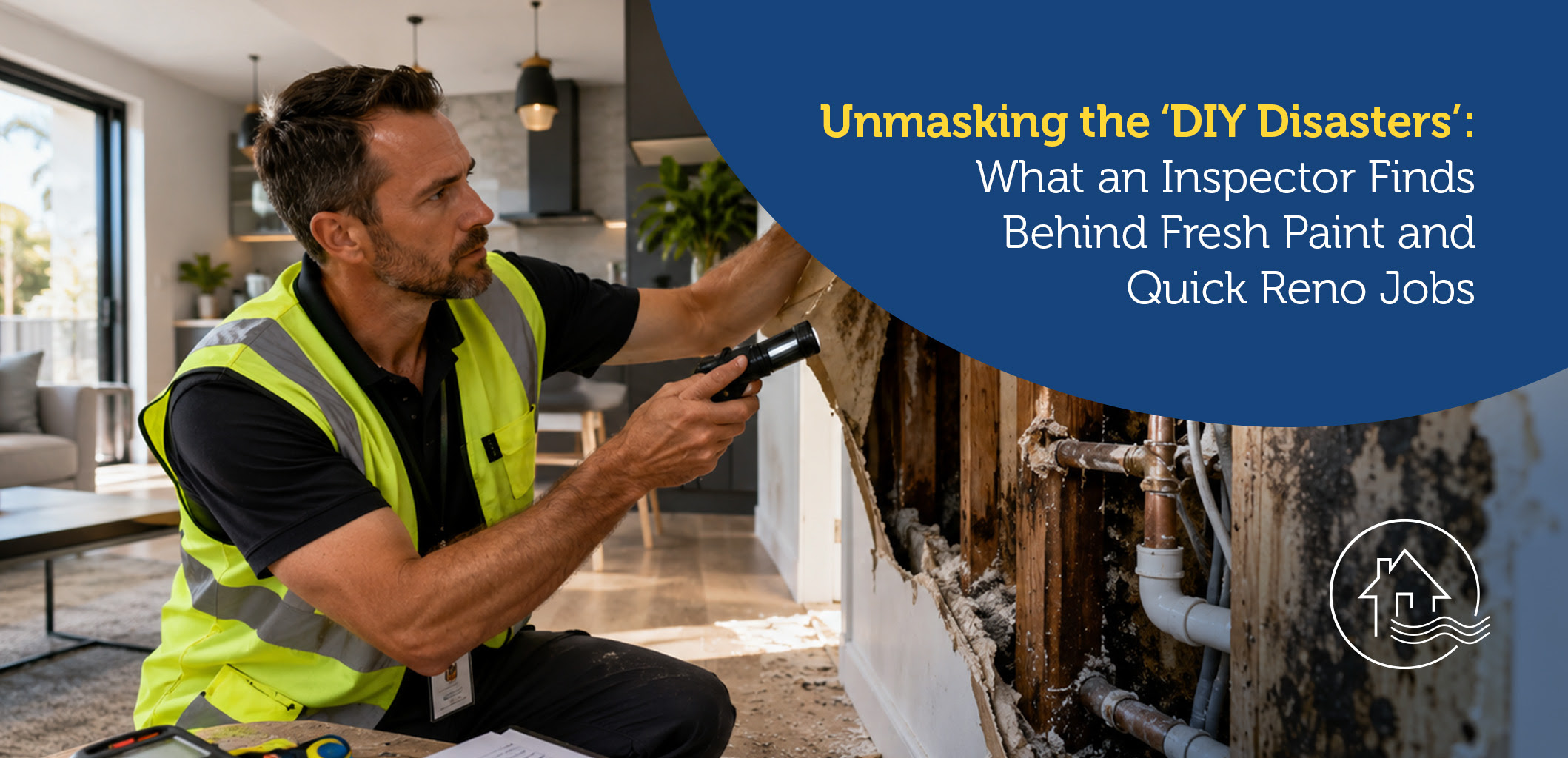
The South Coast is famous for its charming weekenders and older beach shacks that have been updated over the decades. While a renovated kitchen or an added outdoor deck adds massive appeal, unauthorised or poorly executed DIY work is remarkably common.
An inspector reviews the property with a deep understanding of the Building Code of Australia and local council regulations. They look closely at structural modifications, such as whether an internal wall was removed without adequate beam support, or if a new deck has been built with correct tie downs and joist spans to handle coastal wind loads.
Detecting non compliant work protects you from inheriting structural defects, future council compliance issues, or insurance challenges down the track.
The Value of Local Expertise
When you are making what is likely the biggest financial investment of your life, relying on luck or a casual walk through is a massive risk. You need an independent, professional assessment from someone who understands the specific building challenges of the local region.
The team at Coastal Inspections provides comprehensive pre- purchase building and timber pest inspections across the entire South Coast, from Ulladulla and Milton down through Batemans Bay, Moruya, and Narooma. With more than fifteen years of building industry experience, they know exactly how the local climate, soil types, and coastal environments impact different properties.
When you book an assessment, you receive a detailed, easy to read digital report on the same day as the inspection, complete with clear findings and photographic evidence. This gives you the ultimate peace of mind and the factual leverage you need to move forward with your property purchase in complete confidence.
Are you ready to buy your South Coast dream home with absolute certainty? Contact the expert team at Coastal Inspections today to arrange your fast, thorough pre purchase property assessment before you sign on the dotted line.